Kakunodate Festival’s “Yama” Procession | A Traditional Kakunodate Event with a History of About 400 Years
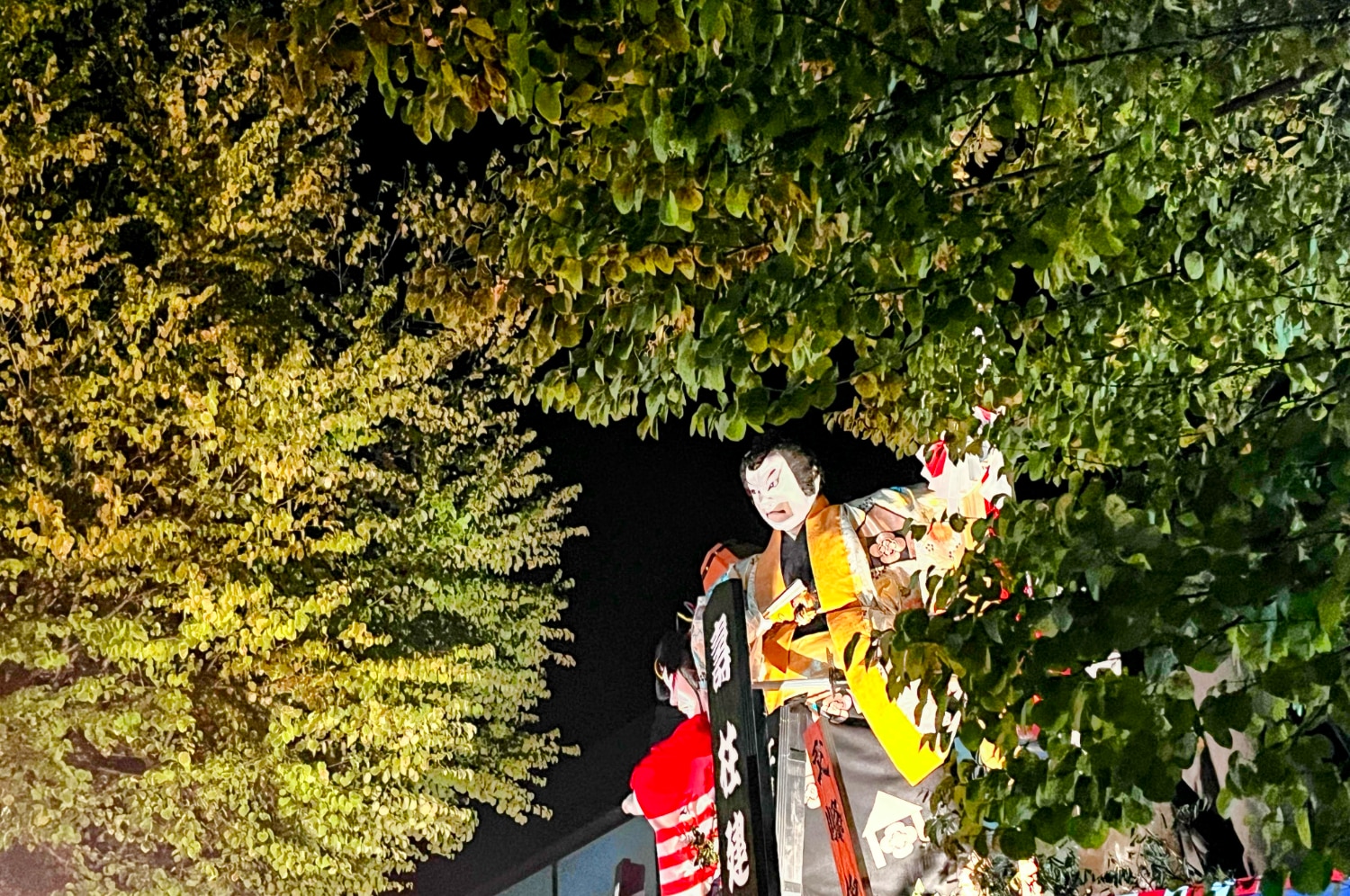
The “Kakunodate Festival’s Yamagyo (Kakunodate Festival)” is a traditional event held annually over three days—September 7, 8, and 9—in Kakunodate Town, Semboku City, Akita Prefecture.
Believed to have a history of approximately 400 years, it has been designated as an Important Intangible Folk Cultural Property of Japan. In 2016, it was also inscribed on the UNESCO List of Intangible Cultural Heritage as one of the “Yama, Hoko, and Yatai Events.”
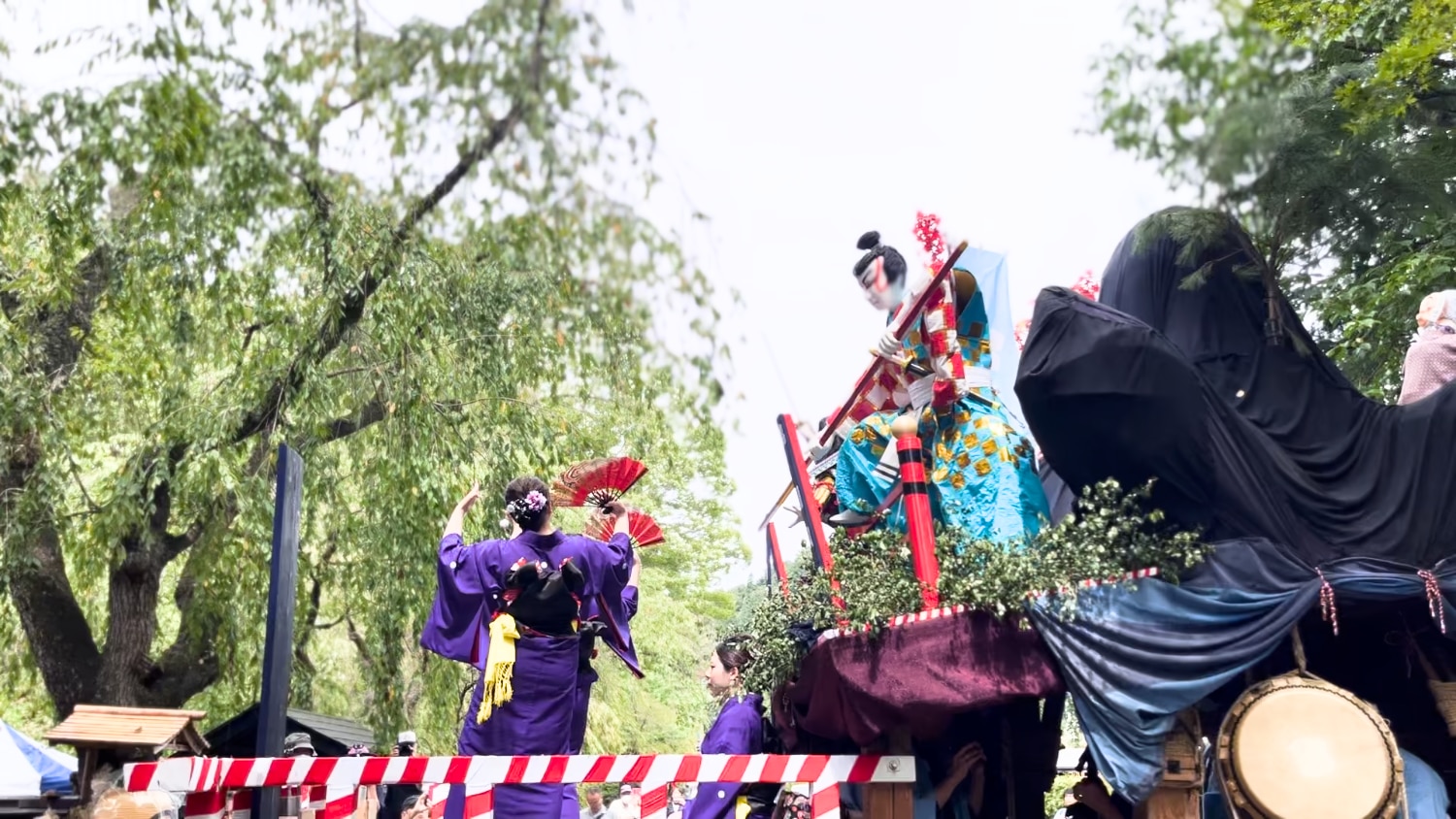
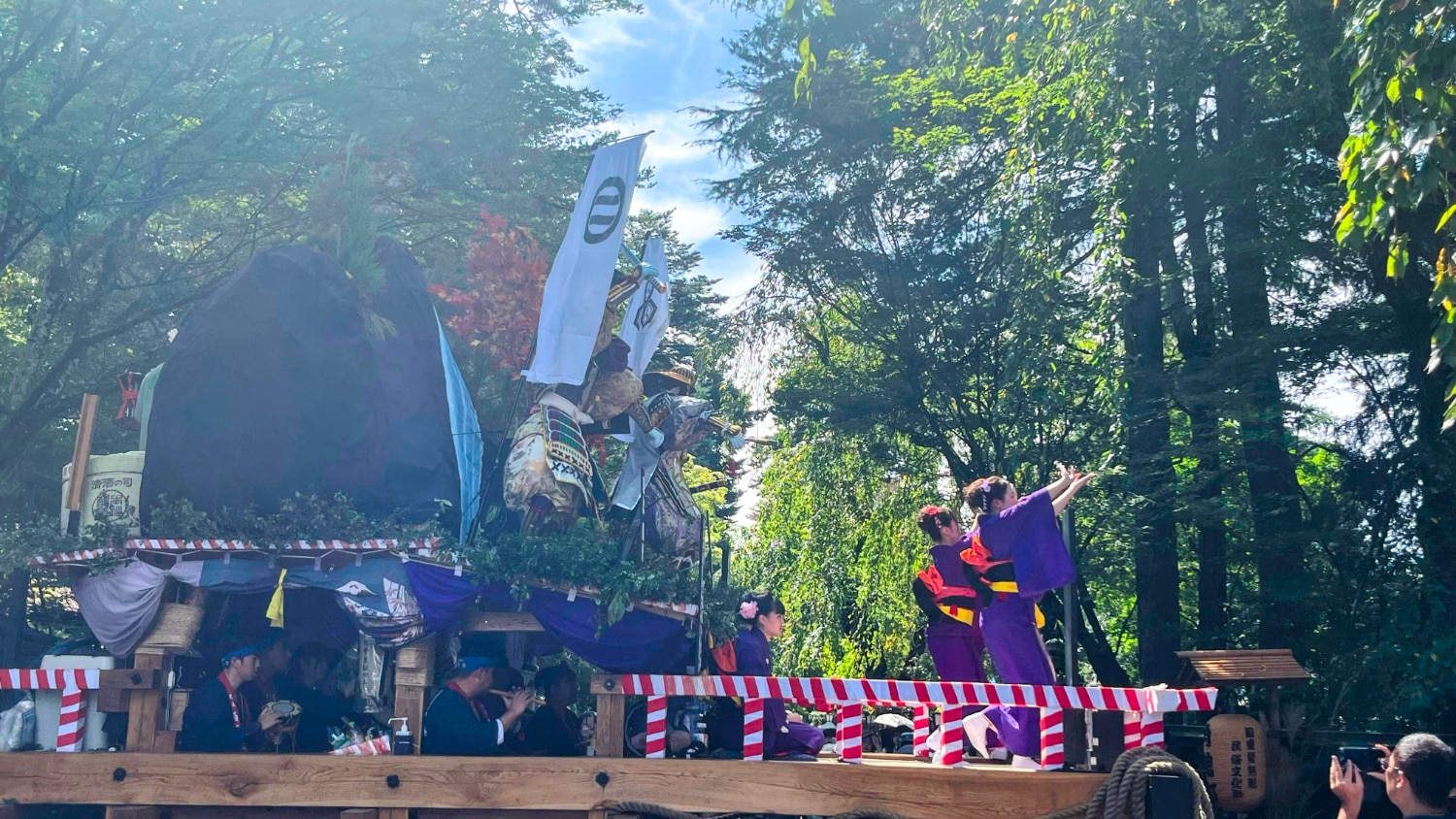
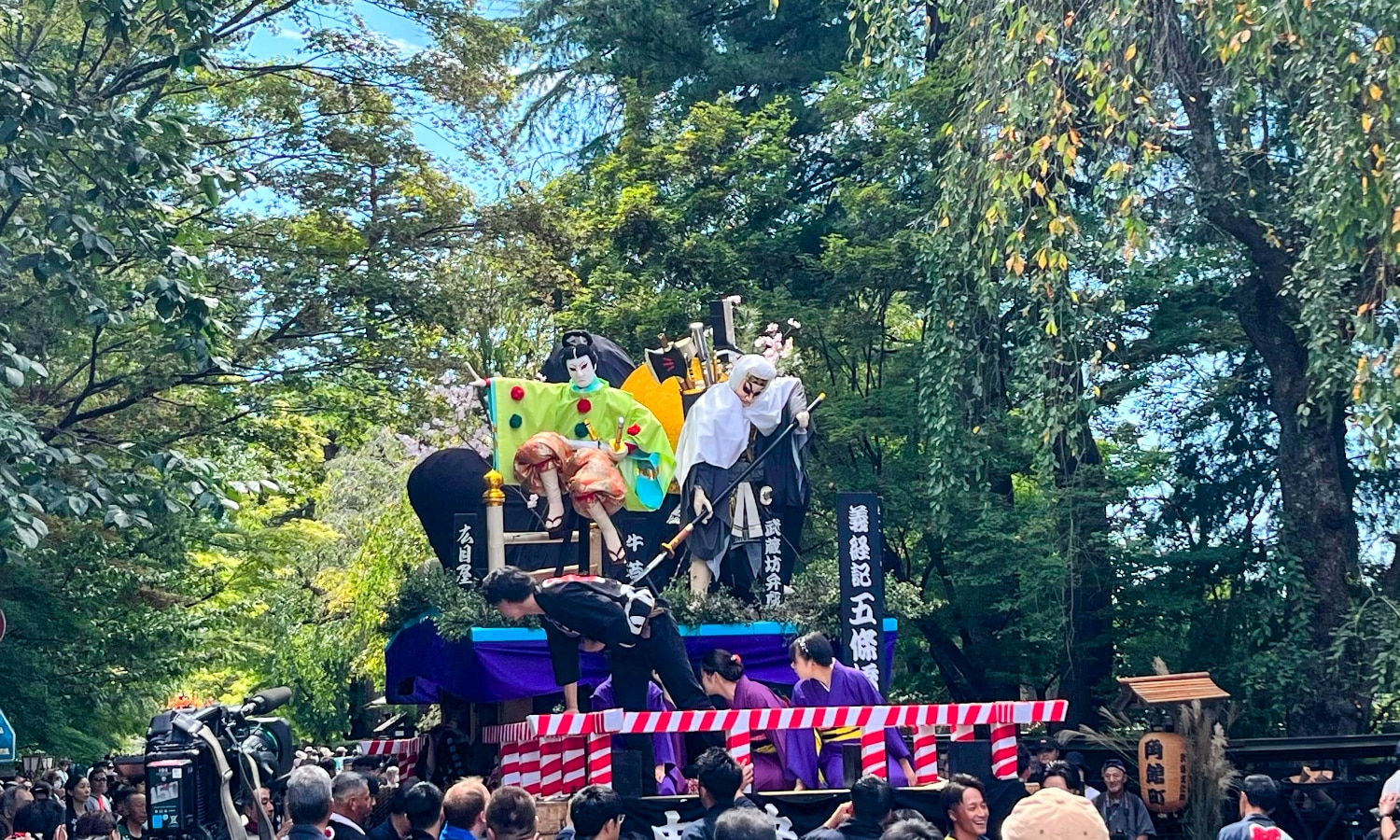
During the festival, “hikiyama” floats—vividly decorated with warrior dolls and Kabuki figures—parade through the streets of Kakunodate.
Particularly famous is the “Yama-butsuke,” in which two floats face each other on the street and, after negotiations over right of way, collide violently. The sight of the majestic floats, the festival music, and the shouts of the participants coming together as one is a highlight that symbolizes the Kakunodate Festival.
What Are the “Yama” Events of the Kakunodate Festival?
The Hikiyama events of the Kakunodate Festival are a long-standing tradition passed down through generations in Kakunodate, which developed as a castle town.
Its history is said to span approximately 400 years, and it has evolved into its current form through the merging of festivals associated with Shinmei Shrine—the guardian shrine of the samurai district—and the Jōju-in Yakushi Hall in Sotomachi, the merchant district.
Imbued with wishes for regional prosperity, thriving business, household safety, and good health, this tradition continues to be cherished and passed down by the people of Kakunodate to this day.
Three Highlights of the Kakunodate Festival
1. Magnificent Floats
During the festival, elaborately designed festival floats appear from each neighborhood.
These floats are adorned with warrior figures and dolls depicting famous scenes from Kabuki, and they parade through Kakunodate’s historic streets.
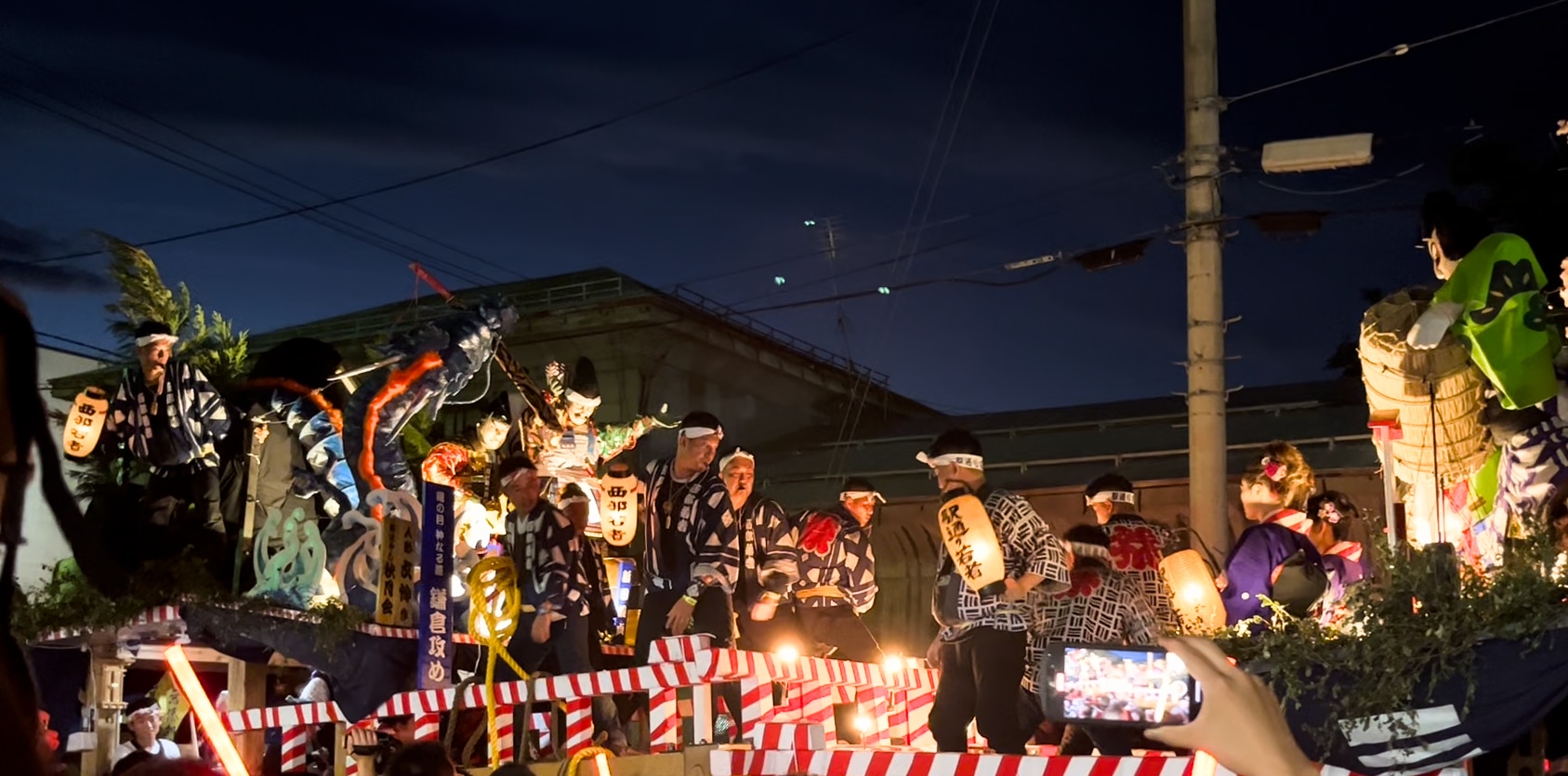
While their vibrant appearance during the day is a sight to behold, the floats illuminated by lanterns at night offer a completely different charm.
2. Oyama Hayashi Music and Traditional Dances
“Oyama Hayashi” adds color to the festival alongside the Hikiyama floats.
The unique festival music, played on flutes, taiko drums, kotsuzumi drums, surigane bells, and shamisen, fills the air, while dancers in colorful costumes perform traditional hand dances atop the floats.
For three days, as the sounds of the festival music echo through Kakunodate’s historic streets, the town is enveloped in an atmosphere completely different from its usual tranquility.
3. The Thrilling “Yama-butsuke”
A signature sight of the Kakunodate Festival is the “Yama-butsuke.”
When two festival floats face each other in the town, the two sides first negotiate passage. If they cannot reach an agreement, the floats collide violently amid the shouts of the people maneuvering them.
It’s not just about the collision itself—the negotiations that take place beforehand are also a crucial part of the festival.
The tension as the massive floats face off in the narrow town streets, the intense shouts, the festival music, and the sheer power of the collision—these are experiences you can only truly feel by being there in person.
What is a “Tourist Yamabuttuke”?
In addition to the “Yamabuttuke” that takes place during the actual festival, there is also a “Tourist Yamabuttuke,” where the date, time, and location are set in advance to make it easier for tourists to watch.
We recommend the “Tourist Yamabuttsuke” for first-time visitors to the Kakunodate Festival or anyone who wants to see the Yamabuttsuke but has limited time.
Please check the official information for that year regarding the dates, times, and locations.
When is the Kakunodate Festival held?
The Yamabuttsuke events of the Kakunodate Festival are held over three days every year: September 7, 8, and 9.
Regardless of the day of the week, the festival is generally held on these three days.
September 7
Activities such as visits to the Shinmei Shrine take place, and the town of Kakunodate becomes enveloped in a festive atmosphere.
September 8
Various events take place, including the procession of the festival floats and the “Oyama Bayashi” music. Every year, the “Tourist Float Procession” is held in the evening, drawing large crowds.
September 9
Activities such as visits to the Yakushi Hall at Jōju-in Temple and the parading of the festival floats take place, marking the final day of the three-day festival.
*Event times and details are subject to change from year to year. Please check the latest information released by Semboku City or the Tazawako-Kakunodate Tourism Association before your visit.
Access to the Kakunodate Festival
By Train
The nearest station is JR Kakunodate Station.
Since the Akita Shinkansen “Komachi” stops there, you can reach Kakunodate from the Tokyo area without having to transfer.
The town center, where the festival takes place, is within walking distance of Kakunodate Station. During the festival, festival floats parade through various parts of town, so you can enjoy both Kakunodate and the festival as you walk around.
If You’re Traveling by Car
Traffic restrictions are in effect across a wide area of Kakunodate during the festival.
Road conditions will differ significantly from normal, and nearby parking lots will be crowded, so if you’re visiting by car, we recommend checking the year’s traffic restrictions and temporary parking lot information in advance.
Kakunodate Samurai Residences: A Must-See Alongside the Festival
Kakunodate, often called the “Little Kyoto of Michinoku,” is a historic town that represents Akita Prefecture.
Samurai Residences Street, located near the festival grounds, retains the atmosphere of an Edo-period castle town.
We recommend combining sightseeing in Kakunodate with the festival—strolling through the samurai residences and town streets during the day, then enjoying the festival floats and traditional music from evening into the night.
Stay at NORICHIE and Attend the Kakunodate Festival
Nishiki Town, where Farm To Table NORICHIE is located, and Kakunodate Town are both part of Senboku City in Akita Prefecture.
By spending a relaxing time in Nishiki Town, with its usually tranquil rural scenery, and then visiting Kakunodate’s historic streets and festival, you can experience the diverse charms of Senboku City all at once.
The “Yama” events of the Kakunodate Festival have been passed down by local people for about 400 years.
If you’re visiting Senboku City in September, be sure to experience the sounds, excitement, and sheer energy of the festival firsthand.
Basic Information
Name: Kakunodate Festival “Yama” Procession (Kakunodate Festival)
Dates:September 7
, 8, and 9 every year Location: Kakunodate Town
, Senboku City, Akita Prefecture Main Venues: Shinmei Shrine, Jōju-in Yakushi Hall, and throughout
Kakunodate Town Nearest Station: JR Kakunodate Station Cultural
Property: Nationally Designated Important Intangible Folk Cultural Property
UNESCO Intangible Cultural Heritage:Component of “Yama, Hoko, and Yatai Processions”
Admission: Free