Nishimonei Bon Odori | One of Japan’s Three Great Bon Odori Festivals in Ugo Town, Akita Prefecture
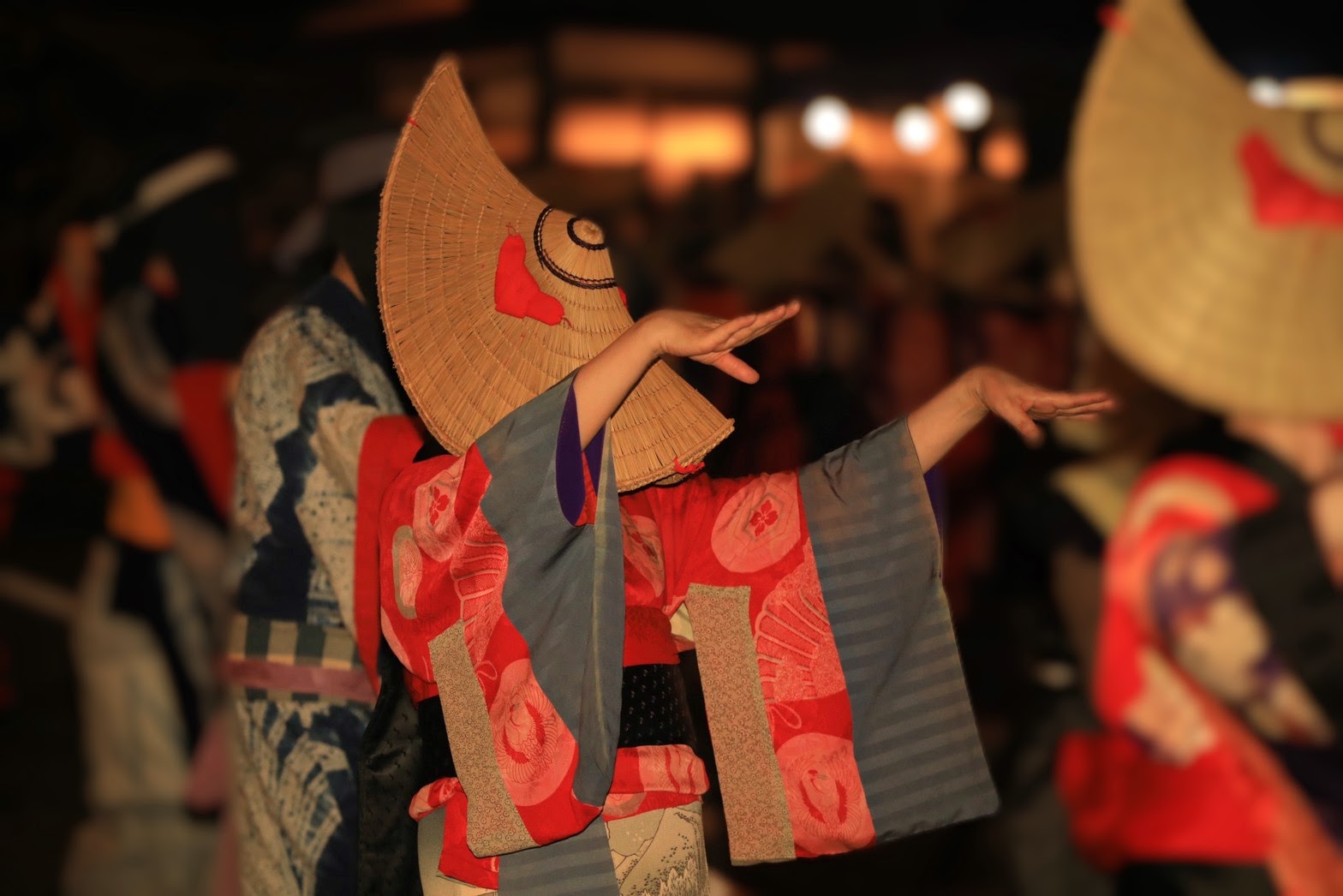
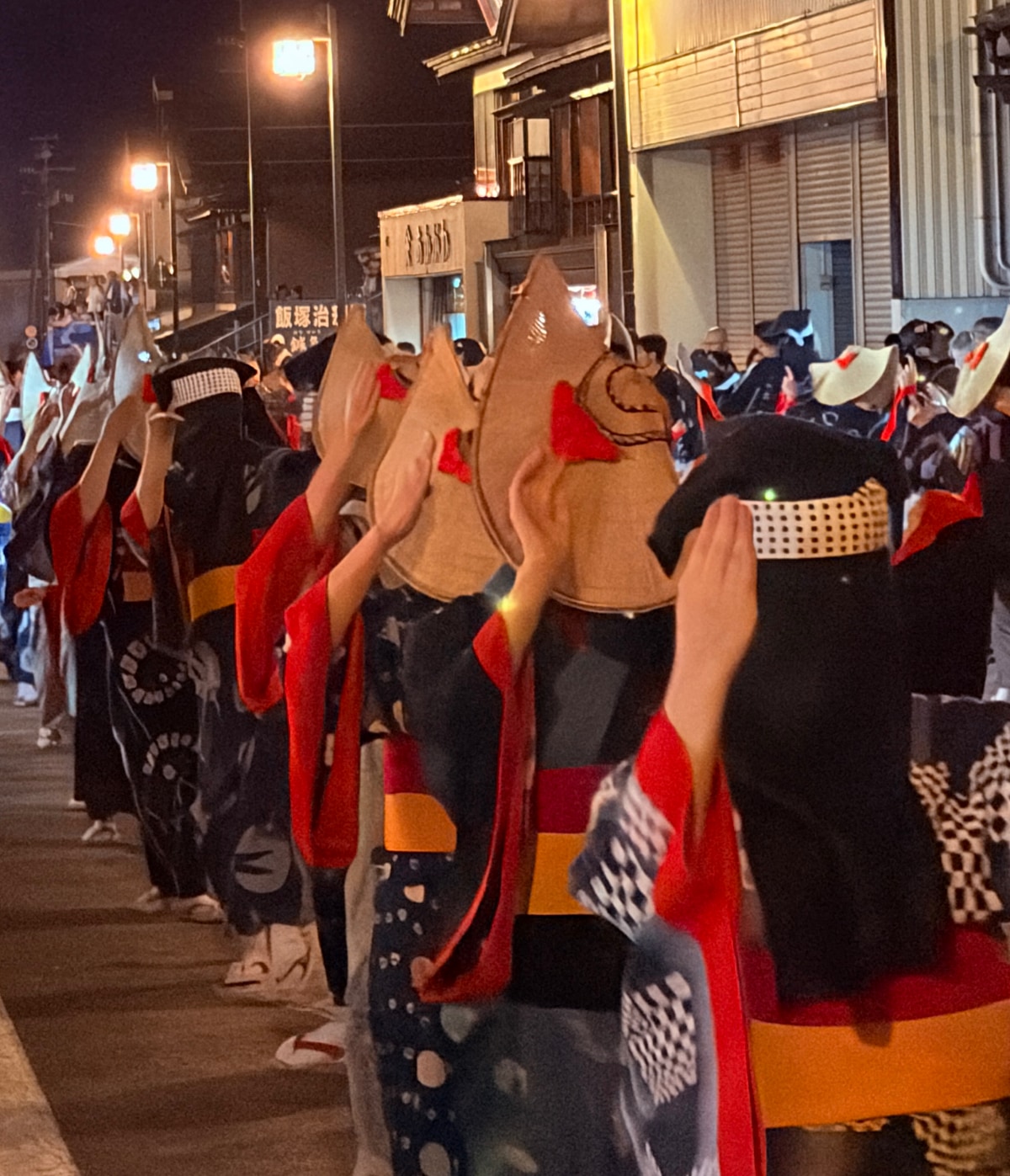
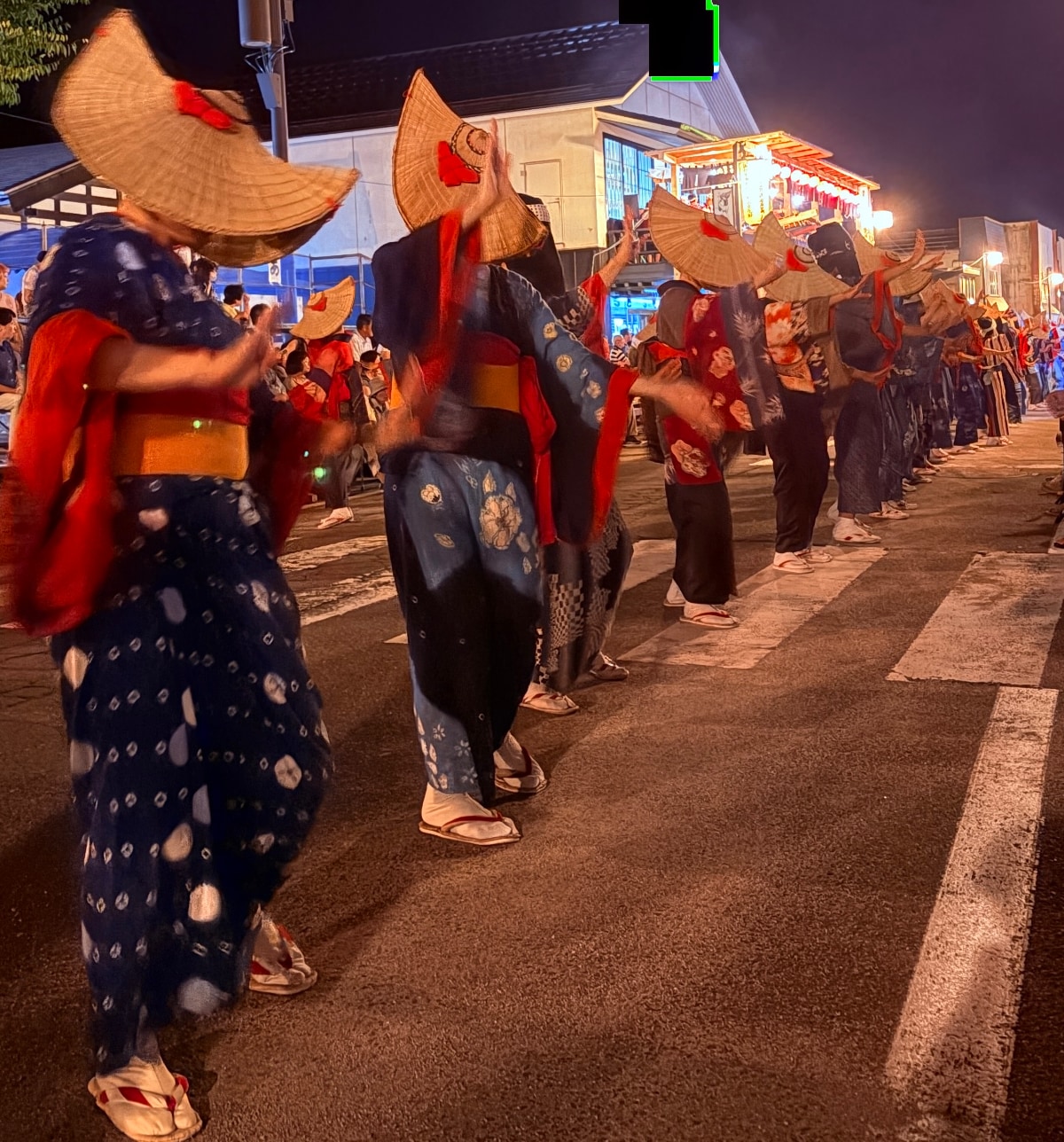
The Nishimonoi Bon Odori is a traditional event held every year from August 16 to 18 in Ugo Town, Ogachi District, Akita Prefecture, which boasts a history of over 750 years.Along with the Gujo Odori in Gifu Prefecture and the Awa Odori in Tokushima Prefecture, it is counted among the “Three Great Bon Odori Festivals of Japan” and has been designated as a UNESCO Intangible Cultural Heritage and a National Important Intangible Folk Cultural Property.Its most distinctive feature is its mysterious and fantastical atmosphere, as dancers—clad in the “Hikosazukin” headdress, which commemorates the departed, and the dazzling “Hanui” costumes—move gracefully to the rhythm of the wild, spirited festival music.
1. Overview of the Nishimaonai Bon Odori
Item | Details |
|---|---|
Dates | August 16, 17, and 18 every year (3 days) |
Event Hours | August 16 and 17: 7:30 PM – 10:30 PM / August 18 (Final Day): 7:30 PM – 11:00 PM |
Venue | Nishimaonai Honmachi Street, Ugo Town, Ogachi District, Akita Prefecture (*In case of rain: Ugo Town General Gymnasium) |
Cultural Property Designation | UNESCO Intangible Cultural Heritage (Furyu Odori) / Nationally Designated Important Intangible Folk Cultural Property |
Distinctive Costumes | Hem-stitched Costumes / Hikosan Headcloth (Black Cloth Face Covering) / Woven Straw Hats |
Main Dances | Ondo (graceful and supple) / Ganin (wild and fast-paced) |
2. History and Origins
The origins of the Nishimaonai Bon Odori are said to date back to the “Ondo” dance performed around the Shōgen era (circa 1260) at Kimigatake Castle by Minamoto no Chika no Kimi, who organized the dance to pray for a bountiful harvest; it boasts a history of over 750 years.Later, in 1601 (Keichō 6), when the Onodera clan—lords of Nishimaonai Castle—were overthrown, their loyal retainers performed the “Mōja Odori” (Dance of the Dead) to commemorate their former lord and summon the spirits of the deceased. This dance merged with the existing tradition, establishing the current, fantastical style of the dance.
3. The Three Major Highlights of the Nishimaonai Bon Odori
- Costumes and Headdresses That Evoke a Sense of Mystique
- Hanui-ishō: A luxurious kimono made by sewing together scraps of silk fabric in a beautiful color scheme. It is also a precious traditional craft passed down through generations.
- Hikosazukin: A head covering made of black cloth that completely conceals the face. It symbolizes the spirits of the dead and creates a mysterious atmosphere where it is impossible to tell who is dancing.
- Amigasa: Dancers wear a shallow hat woven from sedge grass pulled low over their heads, with the chin strap elegantly tied, as they perform with grace.
- Two Contrasting Dances and Accompanying Music
- Ondo: A representative dance performed gracefully with nimble hand movements and supple hip motions, set to flowing, improvised lyrics.
- Ganjin: An acrobatic, wild, and powerful dance performed to the intense rhythm of the “yose-daiko” drums.
- Bonfires and the Sound of the Festival Music The earth-shaking beats of the large drums, pounded on a stage erected in the center of Honmachi Street, along with the melancholic tones of the flutes and shamisen, resonate throughout the nighttime streets illuminated by bonfires.
4. Access to the Venue, Traffic Restrictions, and Parking Information
If arriving by train or bus
- Nearest Station: “Yuzawa Station” on the JR Ou Main Line
- Local Bus: Take the Ugo Kotsu Bus “Nishi-Maonai Line” from in front of Yuzawa Station and get off at the “Hashiba” or “Nishi-Maonai-Kado” bus stop (travel time: approx. 15–20 minutes).
- *Temporary shuttle buses may operate between Yuzawa Station and the venue during the festival.
By Car
- Expressway: About a 15-minute drive from the “Yuzawa IC” on the Tohoku Chuo Expressway.
Parking & Traffic Restrictions
- Parking: Temporary parking lots will be set up at the Ugo Town Hall and nearby elementary and junior high schools (1,000 yen per passenger car as a contribution toward environmental maintenance). It is about a 10- to 15-minute walk to the festival grounds.
- Traffic Restrictions: During the festival, the area around Nishimaonai Honmachi Street will be completely closed to traffic (pedestrian-only zone) in the evenings (from around 4:00 PM to 11:30 PM). If you are coming by car, we recommend arriving early.
5. Nearby Sightseeing, Dining, and Points of Interest
- Ugo Town’s specialty, “Hiyagake Soba (Nishimaonai Soba)”
: This famous soba is characterized by its firm texture and smooth mouthfeel, achieved by using funori seaweed as a binding agent. The “hiyagake” style—served with cold broth—is absolutely exquisite. - Roadside Station Ugo: The Village of Hem-Stitching A hub offering freshly harvested
local vegetables, regional specialties, and Nishi-Maonai Bon Odori merchandise. You can also enjoy popular gelato and “Hiyayakake Soba” here. - Nishimaonai Bon Odori Hall
: A facility where you can view Bon Odori costumes and historical materials year-round. With video screenings on a large screen, it’s the perfect spot to prepare before the actual event. - Koyasu Gorge Hot Springs & Akinomiya Hot Spring Resort (Yuzawa City)
A hot spring resort located about a 30- to 40-minute drive away. You can refresh yourself with a soak or an overnight stay before or after watching the Bon Odori.